For Our People
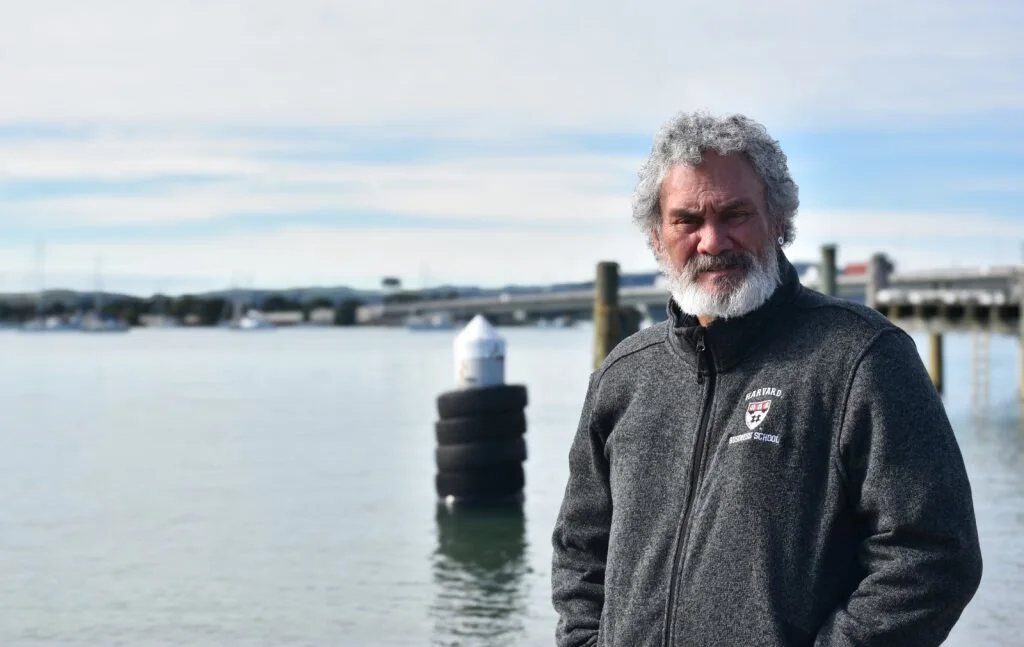
Environmental Renewal of Tauranga Harbour
When I leave this world, I want to leave knowing I’ve done all I can for our people. I want to have fought a good fight on the issues I believe in.
I want the generations who will walk after us to know we have worked together to uphold our principles.
An ongoing battle has been protecting the Tauranga Harbour to ensure its marine life thrives and the community can harvest more bounty from the moana.
Despite years of opposition from iwi and hapū and battles in and out of the courts. And despite in my view politicians and environmentalists who have run with the foxes and hunted with the hounds – dredging will likely progress in the near future.
The Port of Tauranga wharf extension is currently in the Government’s fast track basket and part of the project involves dredging about 1.5 million cubic metres from the seabed.
While we don’t concede I believe now a bold restoration plan is needed to not only safeguard marine life in the harbour but to regenerate it.
Unique
I was privileged to see first-hand the innovative work that is underway in the Melbourne Harbour that has a big focus on restoring shellfish reefs. This unique project could be tailored to the needs of our region and a great first step.
It was fascinating to see how they made reefs using recycled shells which then became the foundation for new mussel and oyster populations. Baby shellfish could be planted onto these beds while marine life could also be transplanted after dredging back into the harbour.
The programme is backed by scientific research and has attracted worldwide attention.
The reefs filter and clean the water, reducing pollution and silt. Meanwhile calcium from the shells helps restore the ocean’s natural balance.
By investing in our natural resources, we can lead the way in environmental innovation, stewardship and create employment and economic opportunities.
The Port of Melbourne contributes just under $1 million a year to fund the Melbourne harbour project and a similar model could be adopted here.
The health of Tauranga Harbour is a major concern which is also impacted by sediment and runoff from land use changes in the catchment.
I’m passionate about protecting our taonga and ecosystems so whānau lets work together to preserve them for our uri.
“Guard the Moana – it remembers your name.”
Foot on Public Transport
Our people on Matakana Island are paying through the nose to get to the mainland and that doesn’t sit right with me.
It costs about $70 to $90 a round trip to get a vehicle into Omokoroa or Sulphur Point, on the barge which is causing huge financial strain for some of our kāumatua and whānau.
I’m concerned our kāumatua are not going to regular doctor or hospital appointments because they can’t afford to pay for the barge. I’m concerned it has created a barrier for our tamariki and rangatahi who want to play sport.
I’m also concerned about whānau whose budgets have taken a hammering because they need to get into town.
I’m not saying we should foot all of the bill. But I’ll be fighting for a discount for Matakana Island residents -which I believe local authorities should be stumping up for.
Some of our Matakana Island whānau have already told me this is affecting their health and wellbeing. They need an affordable option.
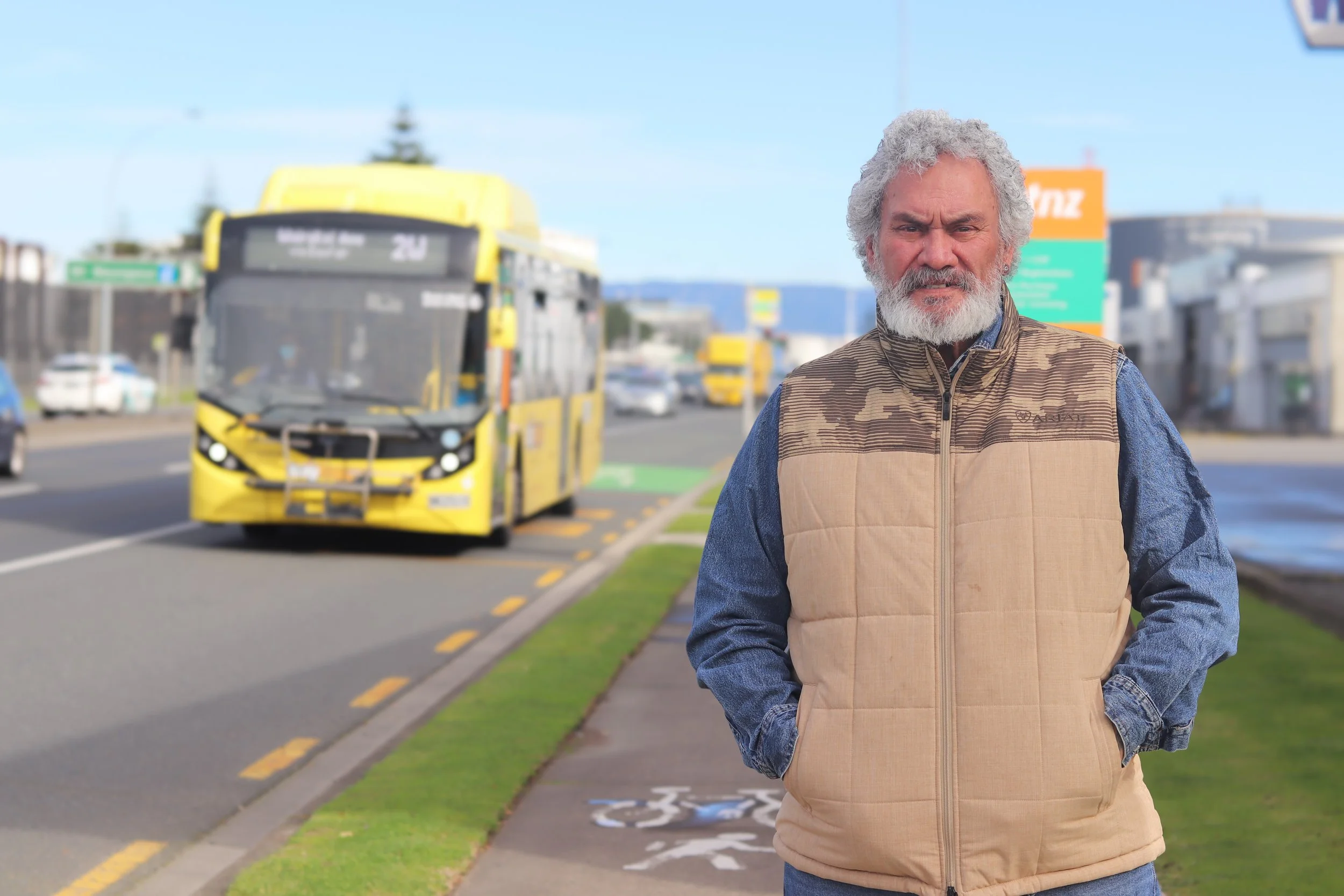
It makes me angry this is not subsidised when I see half empty buses in Tauranga that ratepayers are forking out for.
The council says across the region passenger numbers increased 22.9 % in the year to June 2024 but, in my view, we are nowhere near getting them to capacity.
Traffic congestion is one of the hottest topics in Tauranga. At peak travel times some core roads are choked, gridlocked or bottle necked and a lot of cars only have one driver.
We need more bums on bus seats and a public transport system that is fit for our fast- growing city – and at the moment it's not.
Impact of Trucks on Our Roads and Infrastructure
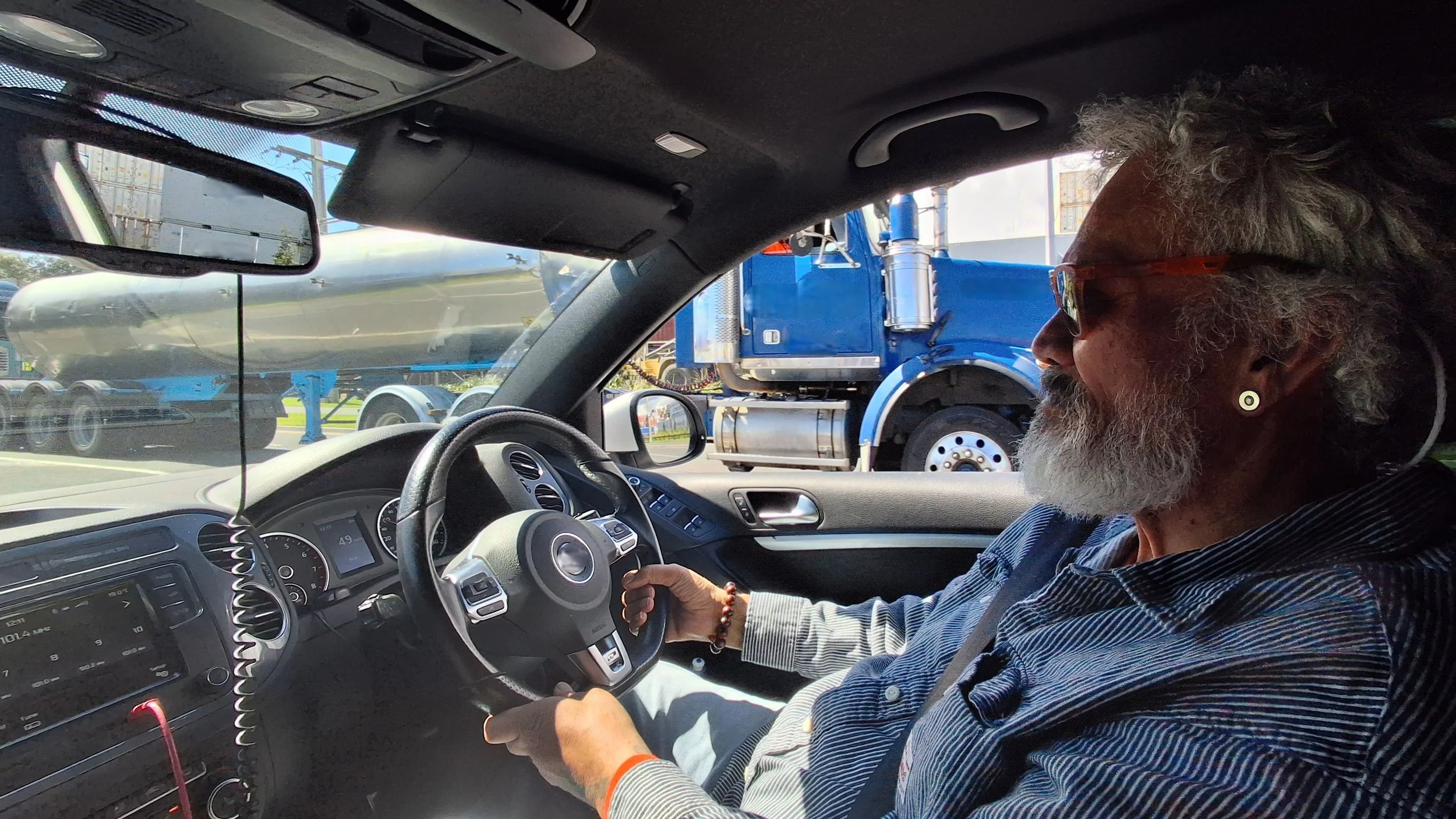
I’ve lost count how many times I’ve seen trucks run the lights on the intersection at Totara Street and Hewletts Road. It makes my hair stand on end and my blood boil.
I work out of our Ngāi Te Rangi main office at Taiaho Place next door to a shipping container terminal and down the road from logging yards. Our other office is beside one of the gateways into the Port of Tauranga. So, I know a bit about trucks and the impact they have on our roads, our infrastructure and traffic congestion.
The “Connecting Mount Maunganui” project which has been in the pipes for years can’t come fast enough. But it will probably be too little too late.
We need to be bold when it comes to the Regional Land Transport Plan and explore different alternatives.
An overpass for trucks or a dedicated freight corridor could be viable initiatives.
Yes, there will be moans and groans and naysayers.
But what’s new?
What is new whānau is having someone at the table who will push the envelope and come up with a strategy to get it in the post.
Kaimai Ranges Tunnel
Could Enhance Regional Growth
10,000 jobs.
That is the amount of people who could be employed during development and construction phases - if we build a transport tunnel through the Kaimai Ranges.
How do I know this and why do I care?
Because I’ve been watching this space for years as politicians and lobby groups weigh in with their 10 cents worth.
As far as I’m concerned there is no denying the Kaimai Ranges has a notorious reputation and is well known for crashes and fatalities which can have a devastating impact on our whānau.
The road is also a vital freight corridor for trucks and links the Waikato and Bay of Plenty - and the Auckland, Hamilton and Tauranga: ‘Golden Triangle’.
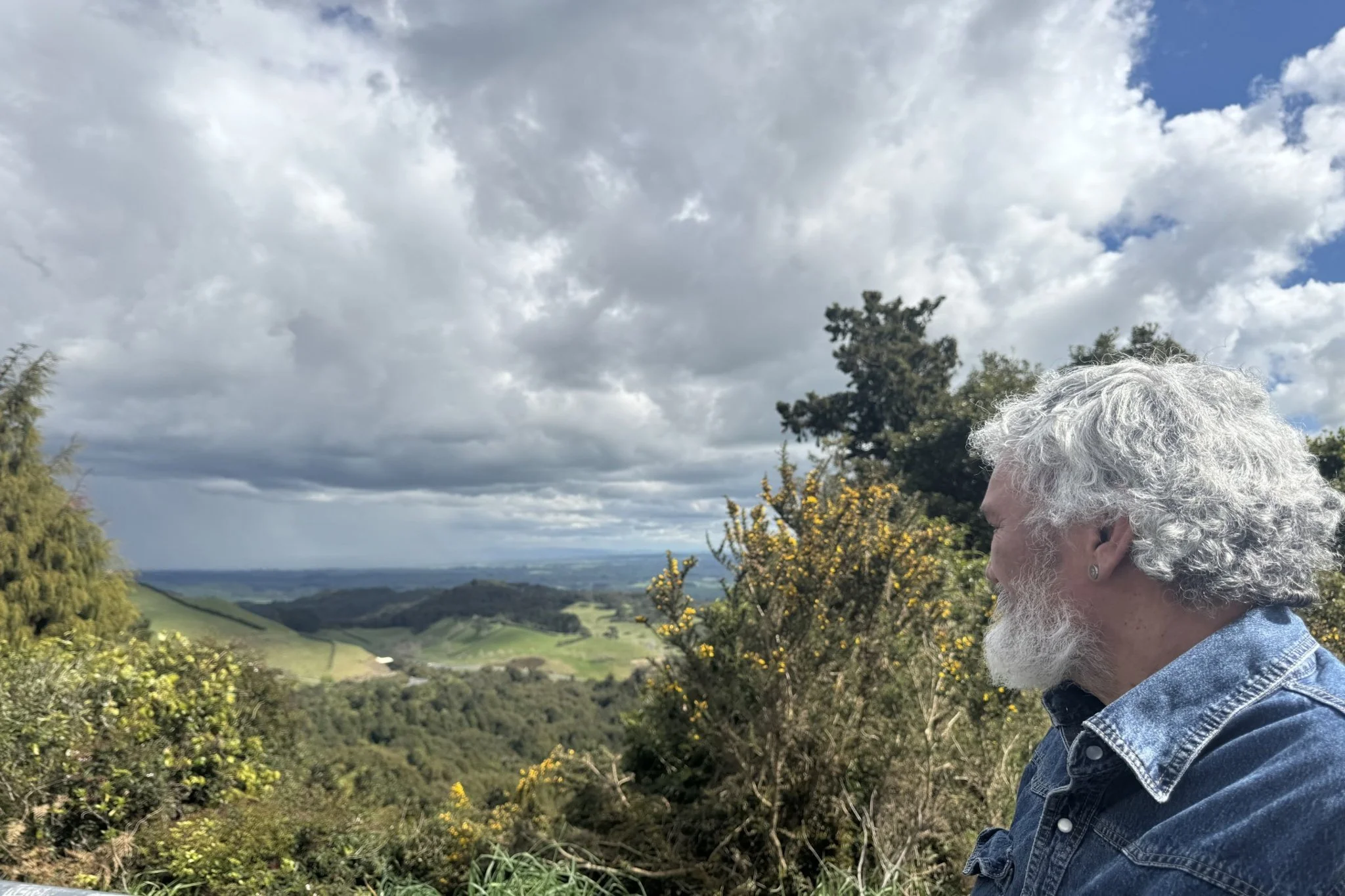
On average about 14,000 cars and trucks travel over the Kaimai Ranges every day and it is not immune to road works, delays and road closures.
As Ngāi Te Rangi chief executive I completed some research and analysis for our board regarding what a Kaimai Tunnel proposal could look like and I believe it is an ambitious, feasible option.
A tunnel could cut travel time by up to 20 minutes and dramatically improve passenger and freight connectivity.
This would in turn reduce fuel costs and help lower emissions to protect the environment. There is likely to be fewer people killed or injured in vehicle crashes and drivers won’t have to navigate twists and turns and hill climbs and declines.
Road safety will be vastly improved.
From start to finish including consultation, design, consenting and construction it has an estimated timeline of 10 -12 years at a cost of about $4.5 billion.
Employment opportunities are also expected to continue once the tunnel is complete with about 1000 direct and indirect jobs.
Supporting the tunnel will also enhance regional growth and attract investment while making the Bay of Plenty more accessible.
To get this show on the road funding options could include a Private Public Partnership, a private company or consortium that could build it and lease back to NZTA and the relevant local councils.
Meanwhile, road tolling is another way to recoup costs over time.
Some of these approaches allow the project to gain traction without waiting for the Government to front up with all the money.
Service for Your People
Starts with Belief in Yourself
Some people imagine leadership as ice cream and candy floss — sweet, easy, and endlessly rewarding. The truth is far different. Real leadership is forged in fire. It is long nights, relentless challenges, and moments that shake the very values you hold sacred. It demands courage to face both praise and criticism, knowing there will always be a small but loud group who will hate what you do — sometimes for no reason at all.
In those moments of doubt, two guiding principles must never waver. First, everything you do must be grounded in your deep and unshakable commitment to your people. Second, you must truly believe in the vision you are pursuing — even when you are the only one who believes.
Seventeen years ago, we held such a vision: to create a mobile doctors’ service in Tauranga, bringing urgent medical care to anyone in need, no matter their circumstances. The journey to bring it to life was anything but easy. It took 18 months of convincing, researching, pleading for funding, and being told repeatedly that it would never work. Many dismissed it, others opposed it outright, and there were countless moments when giving up might have seemed easier.
But we refused to give up.
Today, that service is a lifeline — a safe haven for those who cannot afford to see a doctor or wait weeks for an appointment. Quietly, without fanfare, it saves lives every single day. It stands as living proof that when you fight for something bigger than yourself, miracles can happen.
What began as a dream has become a beacon of hope and health for our community. It is more than just a service; it is a testament to the power of belief, persistence, and love for our people.
And today, it stands proud as the only service of its kind in the entire Southern Hemisphere.
Decisions We Make Today Will Provide Opportunities Tomorrow
“Decisions we make today will provide opportunities tomorrow”
I’ve always believed an international regional airport on the outskirts of Tauranga could be a game-changer for our rohe and transform our economy, tourism, and connectivity for generations to come.
In my role as Ngāi Te Rangi chief executive I have researched the idea and our analysis show the cost to build an international hub is an achievable option with significant spinoffs.
The estimation for a new airport with a runway suitable for passenger and freighter planes is about $300 million. The development and construction process could create 2000–3000 jobs and about 1000 permanent airport roles.
On average about 800,00 passengers arrive and depart through Tauranga, Rotorua and Whakatane airports.
More than 650,000 overseas visitors travel to our region every year, all funnelled through Auckland. So, we are missing out on all that revenue to boost tourism.
The extended runway for cargo planes offers huge potential for our horticulture, dairy and seafood exports.
Advances in technology suggests in the future, drones may be able to carry shipping containers, allowing them to be stationed at the airport while other uses such as aircraft storage and maintenance, could be explored.
Meanwhile, ultimate cost saving efficiencies Rotorua and Whakatane airports could be centralised into the hub to unite council catchments and iwi under one aviation and tourism hub.
That would eliminate some major expenses including expensive upgrades while the environment also gains a win. A single airport would lower duplicated emissions and reduce road trips to Auckland for international travel.
The current Tauranga Airport land which is in a prime location could also be sold for redevelopment.
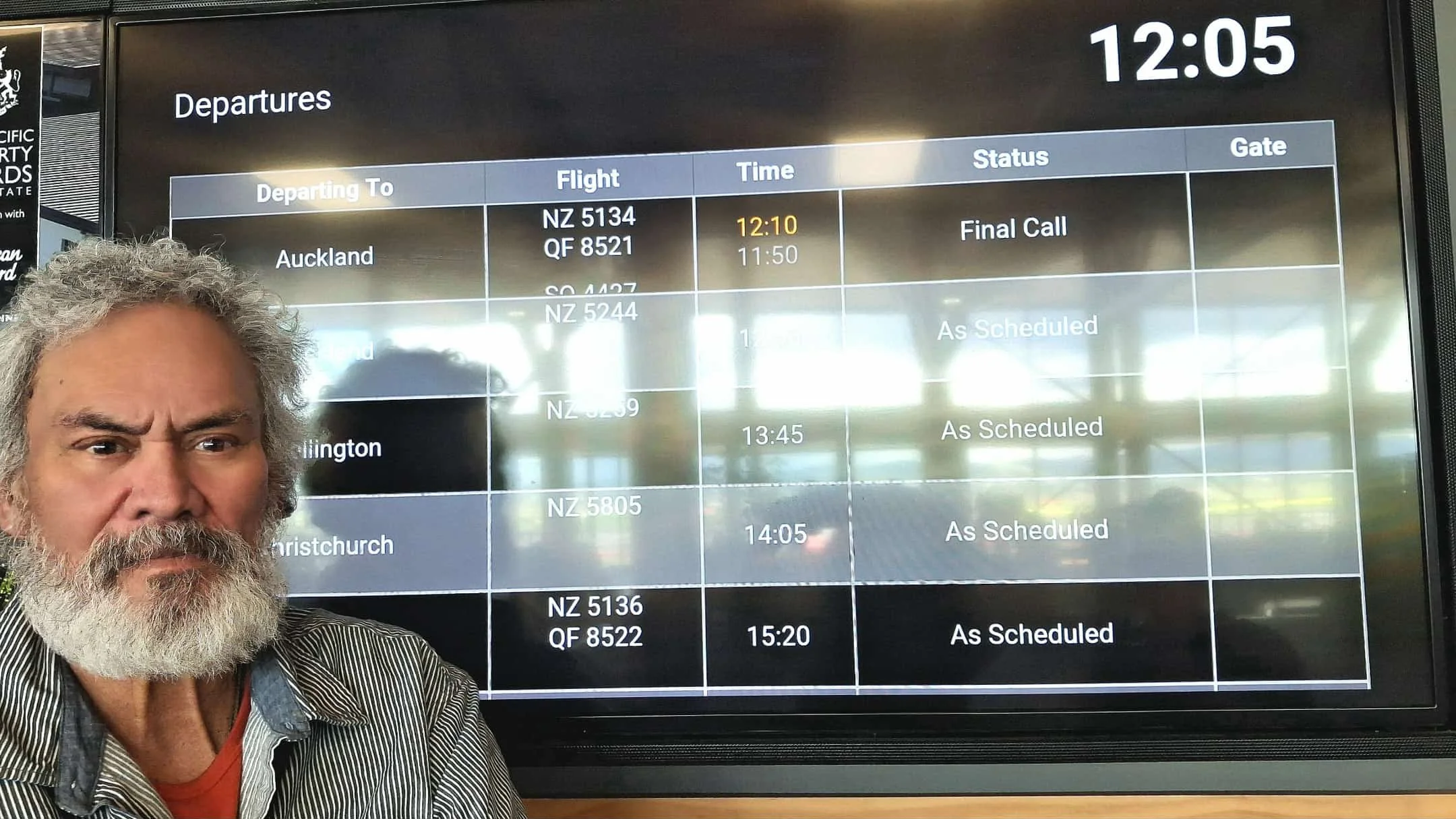
Privately funded Aussie airport cracks it
You only need to look across the Tasman to see vision in motion – which didn’t involve robbing Peter to pay Paul.
The Toowoomba Wellcamp Airport was the first privately funded public airport in Australia. Built by the Wagner Corporation I recently met with John Wagner and what they have achieved is truly remarkable.
It has continued to go from strength to strength since the airport was built in 19 months and 11 days from 2013 -2014.
Today, it has cargo and passenger services which operate alongside an extensive business hub, a defence precinct and aero manufacturing plant.
That is forward thinking and we also have the potential to make a huge difference here. We have the land for it and good arterial routes and connections.
Funding options could include overseas investors, private investment with the possibility of leasing the airport back to local authorities, iwi partnerships or private-public partnership.
The future lies with our mokopuna and I hope the decisions we make today will provide opportunities for them tomorrow.